World of Gaianar - Third Edition
The World of Gaianar
Third Edition
Menu
  • External link opens in new tab or window
  • External link opens in new tab or window
  • External link opens in new tab or window
  • External link opens in new tab or window

Mathematician - Spiritual Powers - Tier 5

Quick Links: External link opens in new tab or windowTier 1 | External link opens in new tab or windowTier 2 | External link opens in new tab or windowTier 3 | External link opens in new tab or windowTier 4 | External link opens in new tab or windowTier 5


Mathematicians are a scholarly character class. They have poor combat skills and low hit point accumulation. However, they have five Tiers of spells as well as a large number of spells within each Tier. By solving complex formulas, a Mathematician can create geometric structures from nothing, grant animating to inanimate objects, create protective barriers, and summon weapons of exquisite sharpness. Most formulas can be cast from a distance and thus allowing the Mathematician a better chance of surviving combat.  
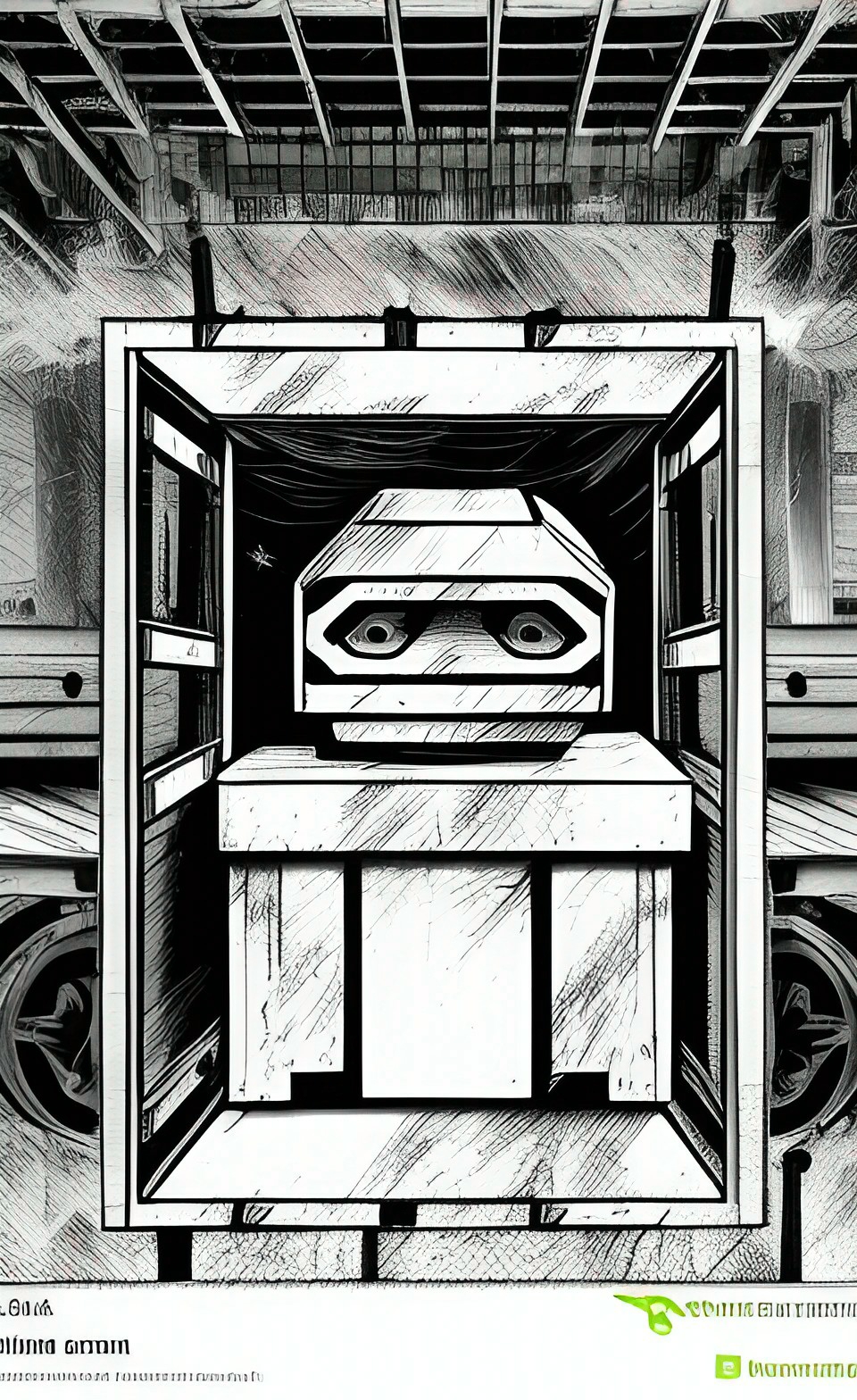

Deactivate Construct4.0 BMS | Turns off a Construct's Theoretical Engine. Permanent.

Deactivate ConstructDeactivate Construct

Tier: 5
Computation: 1 round
Area of Effect: One Construct
Range: 10// line of sight
Glass Required: Yes
Duration: Permanent (or until reversed with Theoretical Engine)
B-M-S Cost: 4.0
Classification: Combat

While this formula does not destroy a Construct, it certainly has the power to shut a Construct down indefinitely. This formula specifically targets a Construct's theoretical Engine and issues a shut-down command. If successful, the Construct is essentially about as dangerous as a toy that has had its batteries removed.

Of course, not all Constructs are created equal, and all Constructs are entitled to either an Item Save versus Harmonics or a Save Versus System Shock for negation (whichever save is more appropriate.

    • Ordinary Constructs: +0 to Saving Throw
    • Awakened (Sentient) Constructs: +2 to Saving Throw
    • Living Constructs: +4 to Saving Throw

It should be known that Living Constructs with deactivated Theoretical Engines are still aware and are instead paralyzed. They can sort of mumble out requests for help (like the Tin Man in the "oil can" scene in "Wizard of Oz").

The Game Master may consider cyborgs to be Living Constructs for the purpose of spell effects.

Presumably, a deactivated Theoretical Engine could be reprogrammed. For instance, a Mathematician could deactivate an enemy drone and repurpose it for mining, security, or manufacturing. To reactivate a Construct, a Mathematician need only cast Theoretical Engine again. No first-time research would be needed since all of the difficult work in creating the Theoretical Engine in the first place has already been completed by the original Mathematician that built the Construct in the first place. Alternatively, the Game Master could rule that a quiescent Construct's Theoretical Engine could be "jump started" from a sufficiently dense power source such as nuclear reactor, a stardrive core, or a jump-gate generator.

Changes from the printed (book) version: This power is no longer a "murder" spell and is reversible. 
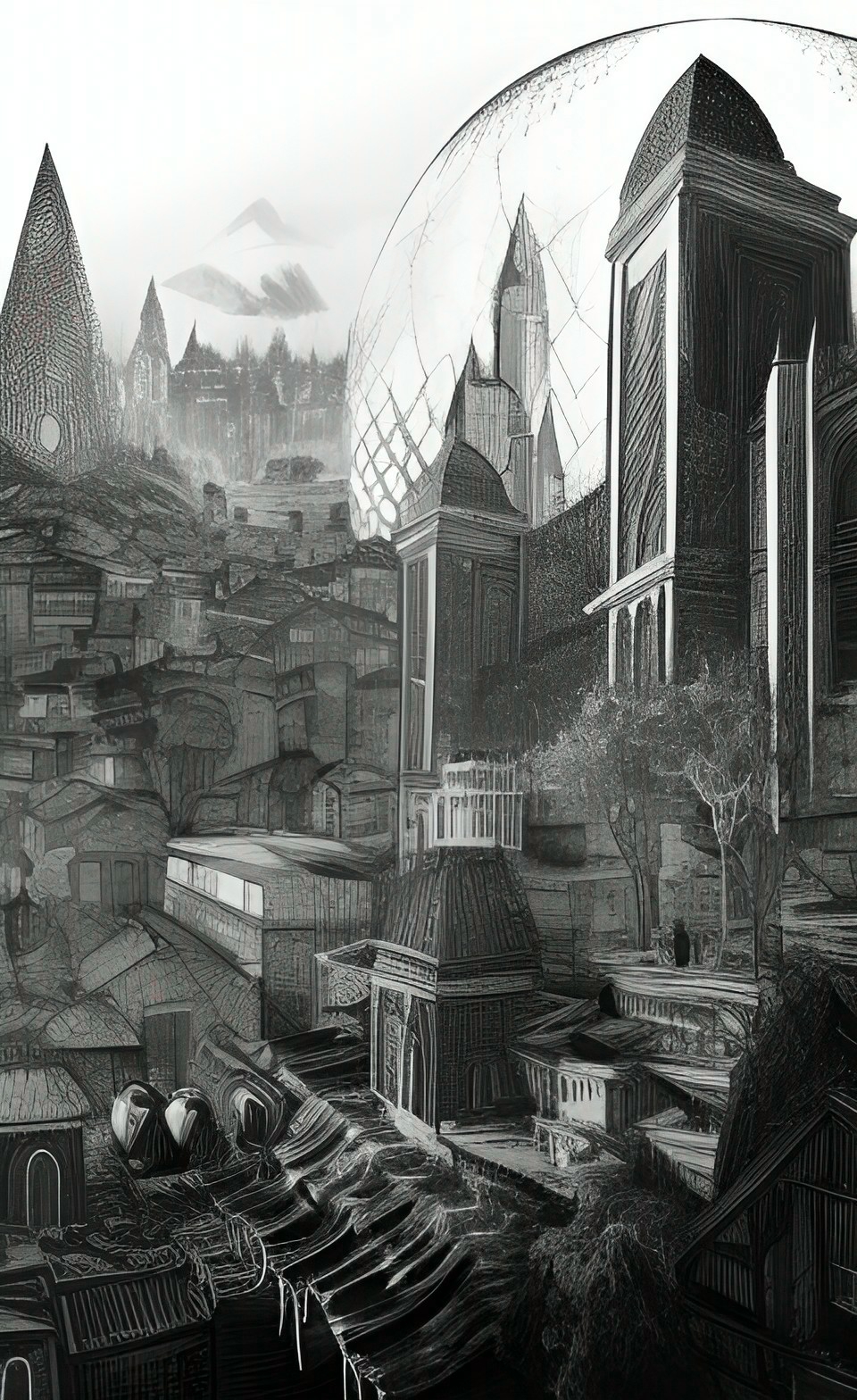
Dome of Protection10 BMS | Shields a city for up to 24 hours

Dome of ProtectionDome of Protection

Tier: 5
Computation: 1 turn
Area of Effect: A hemispherical volume 1 mile in radius
Range: Internal to the Mathematician
Glass Required: Yes
Duration: 24 hours
B-M-S Cost: 10.0 (+ other costs, see below)
Classification: Defense

Due to the high casting cost of this formula, the Mathematician is generally left in a weakened state after this formula is invoked. In addition to costing 10 points of Body-Mind-Spirit, the Mathematician also expends 8 points of Endurance and 4 points of Willpower. Due to incredible fatigue, the Mathematician suffers a -1 penalty to all mental tasks and a -4 penalty to all physical tasks while the shield is up.


However, with the high cost comes significant defensive benefits. The Dome, while gas-permeable, is sufficient to turn away poison gas. Likewise, it will keep out fog and mist (and thus effectively serve as a ward against Mist Walkers and similar monsters). Anyone wishing to teleport into the protected region must first make a successful Save versus Area Effect or else be randomly transported to a reasonably safe spot outside the Dome and no closer than 500' to the Dome's periphery. Spiritual entities, elemental beings, angels/demons, Dark Matter, and out-of-phase entities must likewise make a successful Save versus Area Effect when attempting to enter the protected region or else be randomly repelled to a relatively safe spot 500' away. Similarly, objects cannot be teleported in without a similar successful saving throw. The Dome does have the unintended side effect of disrupting the Whirligig network (and thus nobody can send or receive mail in the protected region).


The Dome also serves to ward off up to 10 REM per round per level of the Mathematician. The game Master may rule that the protection is degraded if the Dome loses a significant number of panels. Likewise, the Dome can maintain a comfortable temperature in the 65-75 degree range.


The Dome is made up of interlocking hexagons crafted from pure geometry and has an appearance similar to that of the Epcott Center in Florida. Each pane has a single Structural Point. Therefore, the shield will repel a certain amount of physical damage. Broken panels regenerate at ten-round intervals. However, the warding against teleporting continues to function even if most of the panels are broken.


The Mathematician can command the dome to emit light (and thus make nocturnal combat a little easier). The light emitted is pink in color and similar to that of a large array of sodium vapor lights.


The Dome's protection ends early if the Mathematician sleeps, is killed, or becomes incapacitated. The Game Master could rule that the Mathematician's negative modifiers for intellectual tasks start incrementally increasing between hours 18 and 24. Should the Mathematician maintain the dome for the full 24 hours, he/she collapses and falls into a deep slumber for no less than 8 hours and cannot be easily awakened. Additionally, Dome of Protection cannot be cast again until the Mathematician has recovered 100% of his BMS, HP, Endurance, and Willpower through ordinary rest.


Changes from the printed (book) version: This spell has been re-written from scratch as a Tier-5 spell and replaces the Tier-4 spell "Ward vs Realm Travel" (which is now discarded).
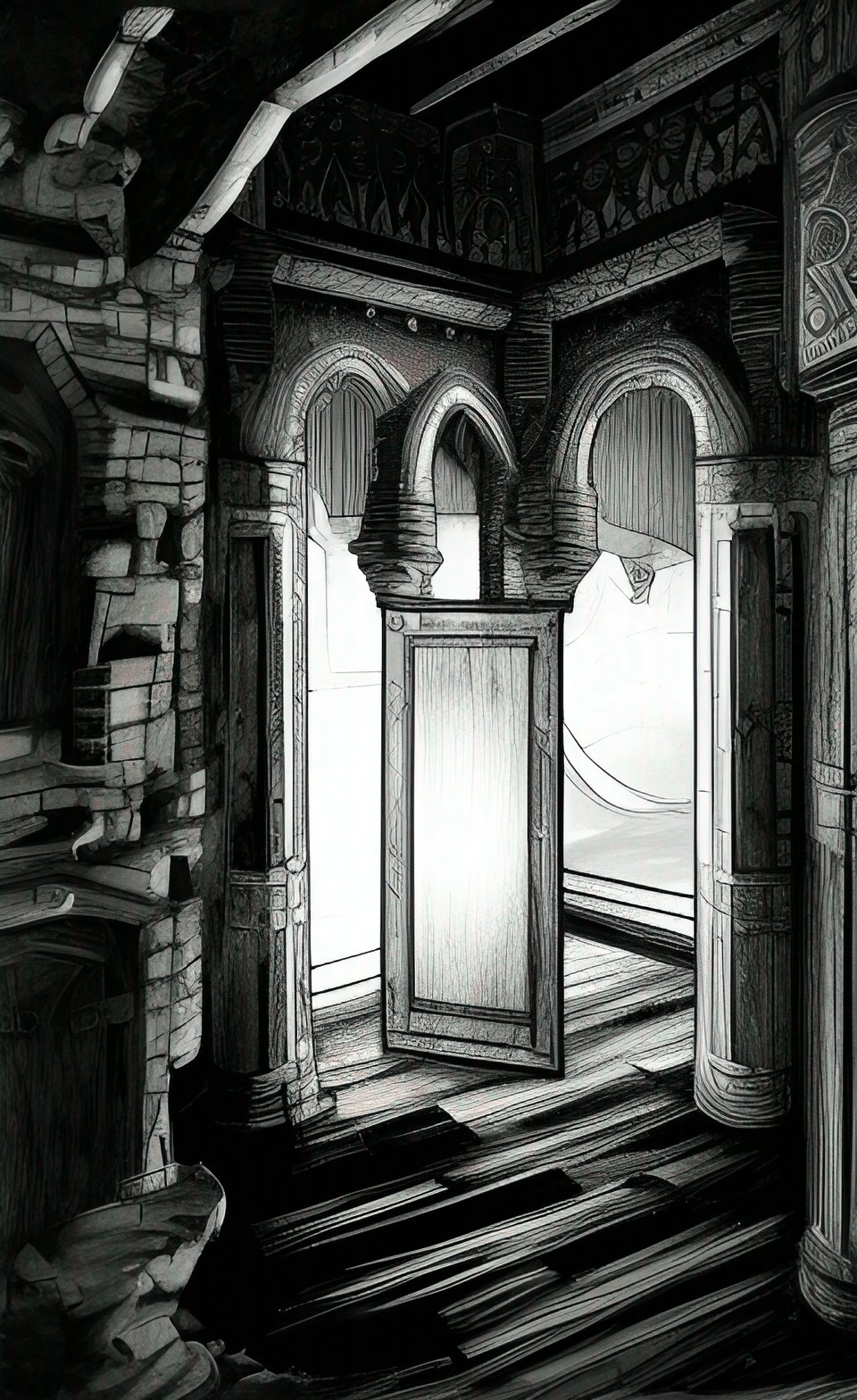
Emergency Recall1.0 BMS/day | Teleports the Mathematician to a safe place. Ongoing.

Emergency RecallEmergency Recall

Tier: 5
Computation: 1 round
Area of Effect: The Mathematician
Range: Internal to the Mathematician
Glass Required: No
Duration: Until triggered or dismissed
B-M-S Cost: 1.0 BMS per day until triggered or dismissed
Classification: Utility (Travel)

This formula allows the Mathematician to teleport to a predefined place of safety in times of crisis. The Mathematician must choose the destination ahead of time by being physically present at that location when the formula is completed. Typical destinations might be: The Mathematician's own stronghold; a reputable hospital; a defensible castle run by a friend; a remote island in the middle of nowhere; an orbiting habitable satellite. Other options are possible as well.

The formula effectively has unlimited range so long as the Mathematician is still in the same plane of existence as the recall destination. Thus, if a Mathematician accidentally enters a Stillpoint that sends the Mathematician to the edge of the solar system, Emergency Recall could get the Mathematician home. However, if that same Stillpoint maroons the Mathematician in a pocket universe or some other realm, then Emergency Recall will fail in its primary function. As a contingency, Emergency Recall will still move the Mathematician to some nearby place or relative safety even when the Mathematician is trapped in another dimension. But this power can in no way cross universal boundaries. 

As with Thread of Rationality, the Mathematician could theoretically transport his allies so long as they were in physical contact with when the recall function was invoked. Generally speaking, the check is a Willpower check with a -1 modifier for each additional person. In the event of failure, the Game Master could rule that no one is transported, the Mathematician is transported, or only a few people are transported (depending on the magnitude of the failure.) Alternatively, the Game Master could rule that the whole party is transported on a failed roll but would also materialize at a wholly incorrect destination.

The Mathematician can set a trigger for this formula. For instance, the Mathematician could build into the spell the idea that he would be immediately transported if his hit points fall below 1 HP (presumably with a Construct programmed at the other end to inject a high-intensity healing potion into the Mathematician's grievously wounded body.)   

Changes from the printed (book) version: This is a new spell that has been written from scratch.
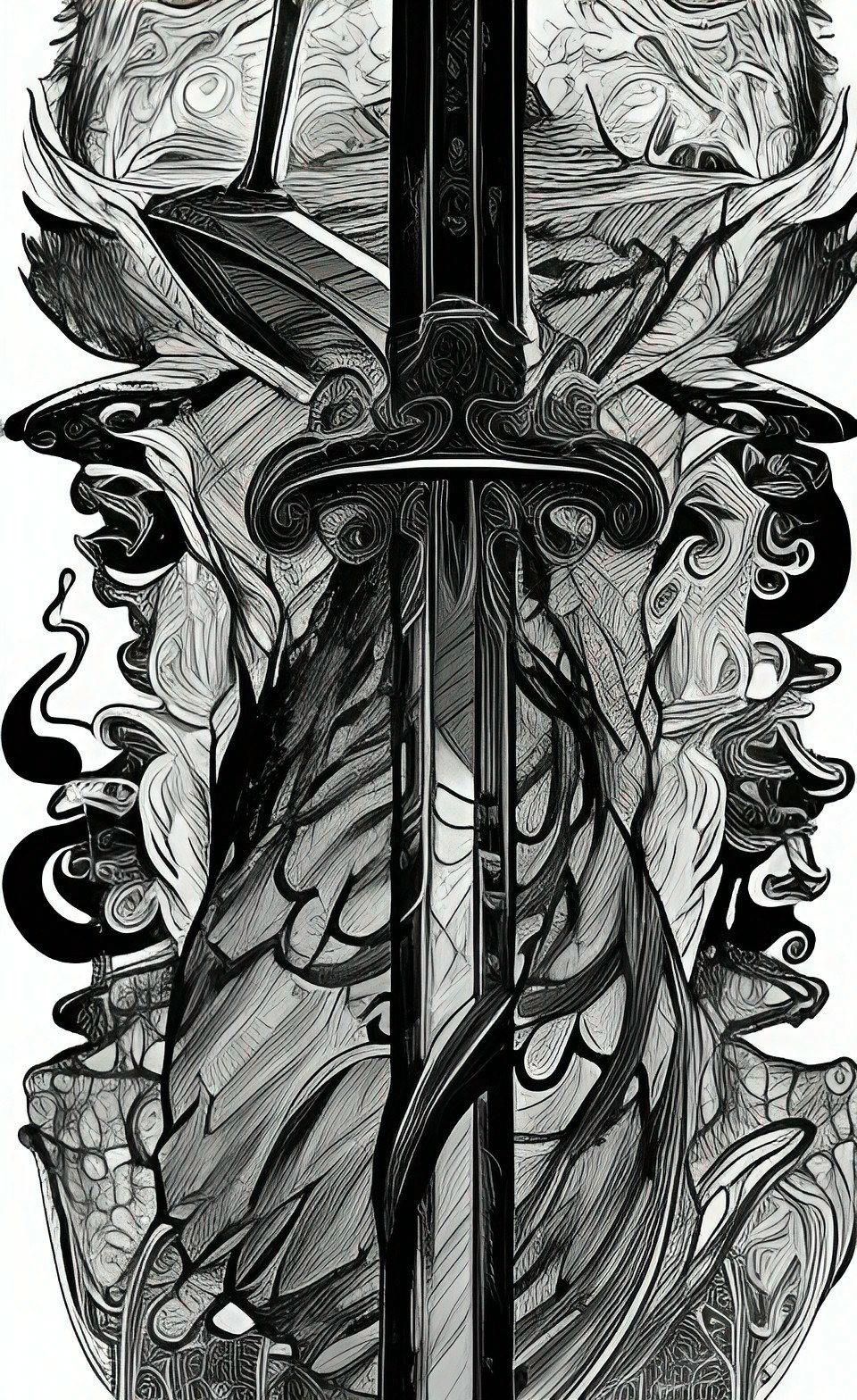

Enhance ItemSpecial BMS | Permanently improves an item.

Enhance ItemEnhance Item

Tier: 5
Computation: Special
Area of Effect: One Item
Range: 1// line of sight (although "touch" may also be required)
Glass Required: Yes
Duration: Permanent
B-M-S Cost: Special
Classification: Fabrication

This formula is essentially the "Create Magical Object" of the Mathematician character class. As with theoretical Engine, this formula requires that the Player and Game Master consult with each other and come to an agreement as to what the newly enhanced object will do. For example, it is a pretty straightforward request that a Mathematician might ask that his/her primary weapon be unbreakable, or glow, or return to user if lost. It might take more work to create a dagger with a built-in artificial intelligence that also launches fire missiles and detects lies. The possibilities of this formula are limited only by the Player's imagination and the Game Master's permissiveness. Generally speaking, the Player will not be allowed to make doomsday weapons with Enhance Item.

Some general guidelines on crafting enhanced items:
  • The base item must be of the highest possible quality.
  • The base item should have artistic merit
  • The base item should be in perfect (or at least near-perfect) cosmetic condition.
  • The base item cannot be broken in any meaningful way.
  • Up to four (4) discrete enhancements can be added to any particular item.

As with Theoretical Engine, the Game Master ultimately approves or disapproves the proposed enchantment. If the Mathematician fails the roll for Enhance Item, the object is not destroyed, but the BMS points still get spent. The Mathematician can try again on another day.

Changes from the printed (book) version: This formula is now more general-purpose and can enhance any high-quality item (and not just weapons). It requires GM input/approval. It replaces "Monofilament Shape Enhancement".

Extrusion3.5 BMS | Makes a 2D object three-dimensiona. Permanent.

ExtrusionExtrusion

Tier: 5
Computation: 1 round
Area of Effect: 1 image
Range: 10// line of sight
Glass Required: Yes
Duration: Permanent
B-M-S Cost: 3.5
Classification: Fabrication

This formula was presumably created by a Mathematician that liked to travel light. This power allows the Mathematician to create a fully realized, three-dimensional version of any two-dimensional object. For example, the Mathematician could extrude a tasty meal from a magazine picture of the same dish. The Mathematician could extrude a bottle of wine from a painting of a bottle of wine. Of course, the size proportion of the extruded object does not change. Thus, a 3" picture of a longsword shown in a mail-order catalog would yield a 3" longsword once extruded. Extruded objects are still "actual size". Likewise, magical items cannot be created with this formula (although it is certainly possible to create a mundane version of a magical item).


That said, the Mathematician may find it useful to travel with a book that contains full-scale, high-quality images of commonly used objects such as ration bars, healing potions, rope, patches, medical supplies, a lantern, etc. Likewise, a realistic picture of a dagger or a box of bullets could likewise be handy in conjunction with Extrusion.


It should be noted that Extrusion has an additional, uncommon use as well. Extrusion can be used to free people and objects from two-dimensional prisons (like "the hero is trapped in the painting" or "the hero is trapped in the mirror" tropes). It will also reverse the effects of Tessellation (whereupon a 3D object is flattened to two dimensions).


Changes from the printed (book) version: The duration is permanent. It can now be used to extract people from mirror traps.  

Fire of a Thousand Suns5.0 BMS | Massive, random damage. Instantaneous.

Fire of a Thousand SunsFire of a Thousand Suns

Tier: 5
Computation: 1 round
Area of Effect: 50'x50'x50' volume
Range: 10// line of sight (+ 1// per level)
Glass Required: Yes
Duration: Instantaneous
B-M-S Cost: 5.0
Classification: Combat

Once the Mathematician finishes the calculation for this formula, a glowing 8-sided polyhedral chunk of pure geometry extrudes from the Mathematician's tablet. The Mathematician can then throw the die in any direction he/she chooses. At that point, the formula functions as a high-level version of Death Dice. As the die tumbles through the air, its color changes randomly. However, the effect is set once the die lands on the ground. The player then rolls a 1d8 to determine what kind of damage is unleashed by Fire of A Thousand Suns. Keep in mind that the area of effect is actually a volume of space and thus flying characters/creatures may also be affected by this formula.

    • 1/Red. 4d10 points of physical damage as the Death Die explodes in a shower of mono-dimensional shrapnel. Save vs. Area Effect for half damage. Constructs take double damage.
    • 2/Orange. 4d20 points of fire damage as the Death Die releases a scorching blast in the infrared spectrum. Save vs. Area Effect for half damage.
    • 3/Yellow. 5d20 of electrical damage as lightning bolts erupt from the Death Die. Save vs. Magical Weapon for half damage
    • 4/Green. A blast of poisonous gas vents from all 8 sides of the Death Die. Save vs. Poison or suffer int(5) poison and "strong" acid. A successful Save reduces it to int(2) poison and "weak" acid.
    • 5/Blue. Cold of Space. A blast of 5-degree (kelvin) air inflicts 5d10 damage + general stiffness (-3 to physical tasks for the next 5 rounds). Save vs. System Shock for half damage.
    • 6/Indigo. Ray of Madness. The Death Die becomes a visible portal to the Imaginary Realm. Save vs. Sleep/Charm or gain a random insanity.
    • 7/Violet. Dimensional Gate. Save vs. Area Effect or be sent to another dimension.

      • 8/Black. Fate Worse Than Death. Save vs. Death Magic or contract Undead Spiral (a painful disease that starts with crippling, flu-like symptoms that ultimately kill then victim if untreated.) Those killed by Undead Spiral invariable rise as Undead monsters of some kind or another.


    Changes from the printed (book) version: the area of effect is a volume instead of a surface area. The spell is slightly tweaked so as to be the successor to Death Die.


    Fractal Bullet4.0 BMS | Creates a super-dense missile. Instantaneous.

    Fractal BulletFractal Bullet

    Tier: 5
    Computation: 7 segments
    Area of Effect: 1 orb, 1" in diameter
    Range: 10// line of sight
    Glass Required: Yes
    Duration: Almost zero time
    B-M-S Cost: 4.0
    Classification: Combat


    The third and final variation of the "Fractal" weapon formulas calls forth a compact orb that is only 1" in diameter and yet weighs 500 pounds. The Bullet momentarily hangs in the air when summoned and shimmers with the strange beauty of the Mandelbrot Fractal. Once the Mathematician chooses a direction for the Fractal Bullet, the missile will travel in that direction for 1,000' at near-relativistic velocity. An object that is so small, yet has such high density, and empowered with such high velocity  inflicts absolutely devastating damage to any person or object it encounters. For all intents and purposes, armor is useless against the Fractal Bullet, as the missile simply bores through anything in its path. Given that it travels at a significant fraction of the speed of light, parrying is not an option. Unlike Fractal Shredder, Fractal Bullet follows an absolute straight line instead of following the contour of the environment.


    Of course, the damage inflicted varies greatly depending on what is being struck.

    • Ordinary non-living matter: 6d10
    •  Living matter (and people): 8d10
    • Energy-based shields not created by pure geometry: 10d10
    • Constructs and geometric contrivances: 12d10


    Changes from the printed (book) version: This spell replaces Crystal Bullet. It now has damage that is scaled to the type of target.
    Integrate2.5 BMS | Merges objects together. Permanent.

    IntegrateIntegrate

    Tier: 5
    Computation: 1 round
    Area of Effect: One 10'x10'x10' volume
    Range: 10// line of sight
    Glass Required: Yes
    Duration: Permanent (or until reversed with Derivative)
    B-M-S Cost: 2.5
    Classification: Combat (or Conversion)

    Depending on how this formula is used, it can be one of the most utilitarian or most gruesome formulas in the Mathematician's repertoire. The inverse of Derivative, this formula makes a single construction from the items and people contained within the area of effect. If used on inanimate objects, this formula can be quite beneficial. For example, a pile of bricks could be integrated into a shelter, or a collection of large stones could be made into a crude bridge. Used against people, however, and the result is a nightmare beyond understanding. The bodies of those caught within the area of effect are merged into a writhing, insane multi-limbed meta-being. Such chimeras will actually live if kept fed and will fight with all the ferocity of a rabid wolf or a blood-frenzied shark. If the Mathematician chooses to integrate the living with the inanimate, it usually results in death for the victim (8d12 instant damage and then 1d12 additional damage per round until the formula is undone).

    In the case of this power being used against living beings, the target of this formula will always be entitled to a Save versus System Shock for negation. A Reverse Engineer, Derivative, or Second Derivative spell will undo this power.

    Changes from the printed (book) version: Living targets now get a save for negation.
    Liquefy Object2.0 BMS | Turns a solid object into a liquid. 1 turn/level

    Liquefy Object

    Tier: 5
    Computation: 1 round
    Area of Effect: 50 pounds per level
    Range: 10// line of sight
    Glass Required: No
    Duration: 1 turn per level
    B-M-S Cost: 2.0
    Classification: Combat

    This formula causes the atoms and molecules in a selected object to break free of their crystal lattices and thus transform from a solid state to a liquid state. Thus, a heavy cannon can be reduced to a puddle of metal. A huge boulder that blocks a search-and-rescue team can be melted harmlessly. An enemy's sword or gun can be liquefied into uselessness. While the duration is one turn per level, melted objects do not automatically regain their original shape at the end of the formula's power. The puddles of liquefied metal, stone, or wood basically solidify into a hardened resin.

    Used against buildings or other structures, it is fair to say that the formula inflicts one or two Structural Points of damage per turn. It inflicts two points if the target fails an Item Save versus Harmonics and only one point if the save is successful.

    Constructs, however, do eventually regain their original shape (thanks to their innate regenerative capabilities). A Construct targeted with this formula must make a Save versus System Shock (or an Item Save versus Harmonics) to avoid being afflicted by the Liquefy formula. If the save is failed, the Construct incurs a cumulative -2 penalty to all actions as it gradually turns into a puddle of goo (for a maximum of -20 at the end of the first turn). Presumably, a liquefied Construct might still get lucky with a critical success attack. It should be noted, however, that Liquefy Object does not actually damage a Construct. It merely changes the Constructs shape (albeit to a much less useful shape). 

    Changes from the printed (book) version: Liquefy Metal and Liquefy Stone have been combined to form Liquefy Object. The yield has been increased to 50 pounds per level since this is a Tier-5 spell whose main purpose is to incapacitate Constructs.
    Monofilament Longsword2.0 BMS | Summons a huge sword for 1 turn/level.

    Monofilament LongswordMonofilament Longsword

    Tier: 5
    Computation: 5 segments
    Area of Effect: The synthesized item
    Range: Same as a standard longsword
    Glass Required: No
    Duration: 1 round per level
    B-M-S Cost: 2.0
    Classification: Combat

    Like the Monofilament Throwing Star formula, this spell creates a temporary weapon out of pure geometry. By all appearances, the conjured longsword appears to be made of shimmering, high-quality glass that is somehow highly resistant to shattering as well.  It is, in fact, made of the same virtual substance as a Geometric Shield (and related formulas). Targeting with the Monofilament longsword operates on the principle of the Ranged Touch Attack. This type of attack is calculated using the Mathematician's melee BAtCh against armor class 10 (think of "touch" football where a tackle is just a slap on the back).

    Like all Monofilament weapons, the damage inflicted varies greatly depending on what is being struck.
    • Ordinary non-living matter: 1d10
    •  Living matter (and people): 2d10
    • Energy-based shields not created by pure geometry: 3d10
    • Constructs and geometric contrivances: 4d10

    Changes from the printed (book) version: "Ranged touch attack" is explained; the damage is scaled more logically.
    Steal Construct4.0 BMS | Take over a Construct for 1 hour per level
    Steal Construct

    Steal Construct

    Tier: 5
    Computation: 1 round
    Area of Effect: One Construct
    Range: 1// per level, line of sight
    Glass Required: Yes
    Duration: 1 hour per level
    B-M-S Cost: 4.0
    Classification: Combat

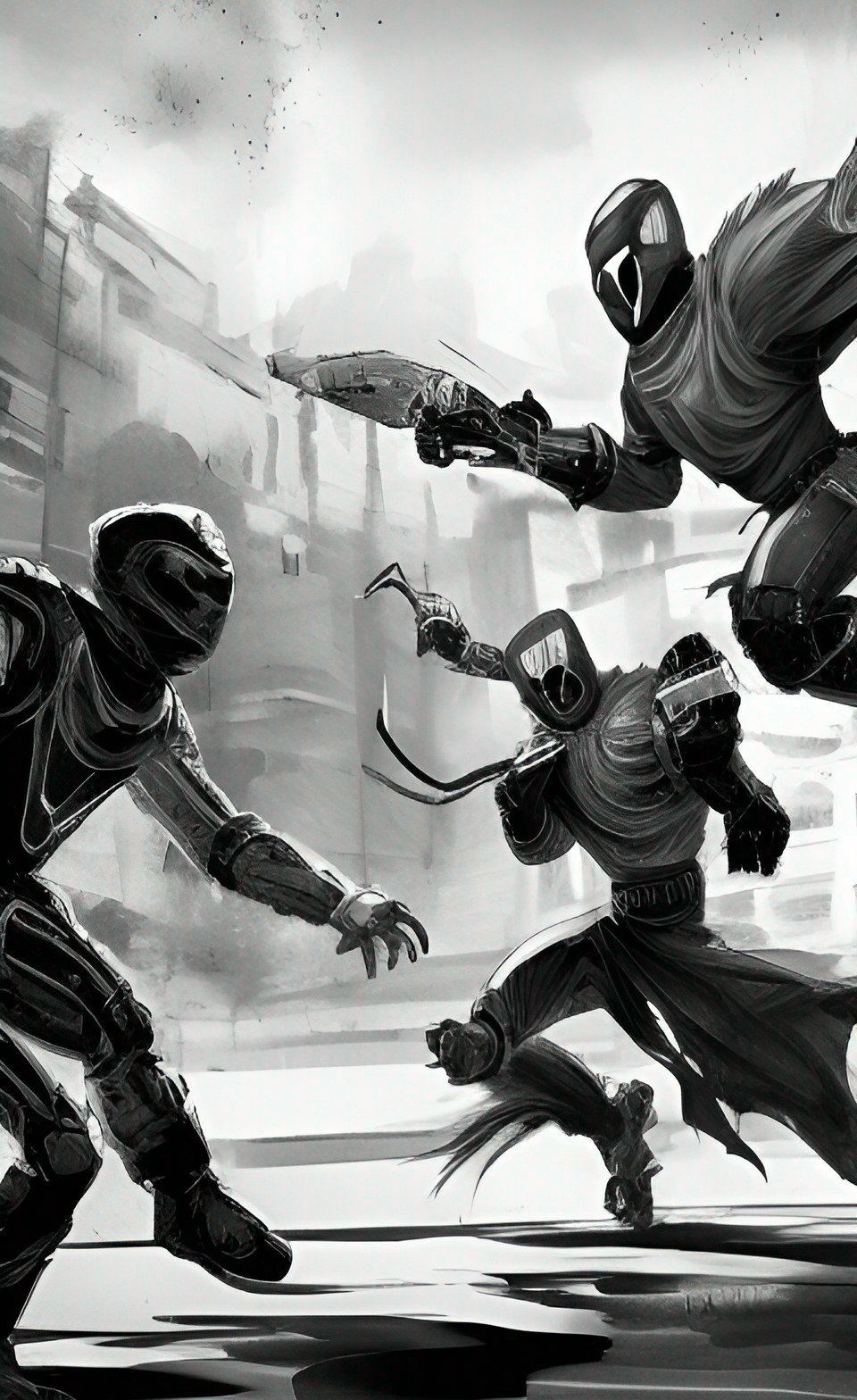
    This formula is a souped-up version of Subvert Construct. It differs from the lower-Tier version in that Steal Construct lasts hours per level instead of rounds per level. Like Subvert Construct, this formula allows a Mathematician to temporarily take control of Constructs that he/she did not create. If the Construct has fewer Structural Points than the Mathematician has in levels, then the formula automatically succeeds. If the Construct is of equal or greater power (Structural Points vs experience levels), then the Construct is entitled to an Item Save versus Harmonics or a Save versus Sleep/Charm (whichever is more appropriate) for negation. Living Constructs cannot be subverted. However, they will most certainly know that an attempt to subvert was made should they be targeted with this formula.

    A "stolen" Construct can be commanded to do any task that is within its capabilities. It cannot, however, be commanded to attack its creator. At the end of the formula's duration, the Construct's operating system reboots for one round, leaving it incapacitated for that period of time.

    Changes from the printed (book) version: Living Constructs will automatically know if a subversion attempt was made. There is now a 1-round reboot at the end of the spell.
    Tessellation3.5 BMS | Flattens a 3D object to 2D. Permanent.
    Tesselation

    Tessellation

    Tier: 5
    Computation: 1 round
    Area of Effect: 1 object (up to 50 pounds per level)
    Range: 10// line of sight
    Glass Required: Yes
    Duration: Permanent
    B-M-S Cost: 3.5
    Classification: Conversion

    Whereas Extrude turns a two-dimensional object into something 3D, Tessellation does the reverse. A Mathematician can project small objects onto a piece of paper and larger objects onto a wall. Living creatures can also be Tessellated. In this instance, the target is not physically harmed but its movement is restricted to the wall or other surface upon which it was projected. On the bright side, Tessellated creatures also do not need to eat or sleep.

    An obvious benefit of Tessellation is cutting down on the shipping weight for heavy objects. For example, an anvil could be Tessellated onto a "D" size piece of architectural paper, rolled into a scroll case, and then Extruded at the destination. In this way, an object that weighs several hundred pounds would only weigh a few ounces while in transit. Tessellation could be used to save a life as well. For example, a human being could be Tessellated onto a wall during a poison gas attack and then Extruded once the emergency had passed.

    Changes from the printed (book) version: The weight limit has been increased to 50 pounds per level. 


     Things to Consider

    • Mathematicians do not rely on Faith or Spiritual Points. They rely on Knowledge and Body-Mind-Spirit.

    • Unlike many character classes, Mathematicians have no set alignment or wealth restrictions.

    • Mathematicians are the only character class whose powers access the Imaginary Realm.

    • The Mathematician is the only character class whose granted power is the detection of Stillpoints (time/space rifts, interdimensional portals, etc.)

    • Like the Gunslinger, a Mathematician has some ability to resist illusions. A Mathematician/Gunslinger hybrid would stack this ability.

    Column


    Column


    ctodd@gaianar.com


    • Home
    • Downloads
    • Rules for Players
    • Spiritual Powers


    Copyright 1991-2021 World of Gaianar - Version 3.0

    Written and Designed by Christopher Todd

    Co-Designed by Matthew Hannum


    close lightbox