

Necromancer - Spiritual Powers - Tier 1
Like the Mathematician, the Necromancer is a "scholarly" character class that has poor combat skills and low hit point accumulation. However, while the Mathematician uses abstract mathematics and physics to reveal the secrets of the Universe, the Necromancer seeks to do so through biology and arcane lore. Necromancers have seven Tiers of spells. While it is theoretically possible for a Necromancer to be of "good" alignment, many either start off evil or are seduced by the darkness over the course of their careers.
Quick Links: Tier 1 | Tier 2 | Tier 3 | Tier 4 | Tier 5 | Tier 6 | Tier 7
Granted Powers
Because of the Necromancer's study of the dead, he/she gradually gains a resistance to disease and death magic. Additionally, Necromancers gain an ability to detect nearby Undead (much like how a Gunslinger can detect illusions or a Mathematician can detect Stillpoints. When attempting to detect Undead monsters, the range is 6// + 1// per level of experience. The result is range, quantity, and general power level but not the specific type of monster. For example, a Necromancer might be able to report to his allies "I think there are five Undead to the north, about a hundred feet away. One is more powerful than me, one is about my level, and the other three are weaker."
| Table: Necromancer Granted Powers | |||
Level | Detect Undead* | Resist Death Magic | Resist Disease† |
1 | 4% | 2% | 1% |
2 | 8% | 4% | 2% |
3 | 12% | 6% | 3% |
4 | 16% | 8% | 4% |
5 | 20% | 10% | 5% |
6 | 24% | 12% | 6% |
7 | 28% | 14% | 7% |
8 | 32% | 16% | 8% |
9 | 36% | 18% | 9% |
10 | 40% | 20% | 10% |
11 | 44% | 22% | 11% |
12 | 48% | 24% | 12% |
13 | 52% | 26% | 13% |
14 | 56% | 28% | 14% |
15 | 60% | 30% | 15% |
16 | 64% | 32% | 16% |
17 | 68% | 34% | 17% |
18 | 72% | 36% | 18% |
19 | 76% | 38% | 19% |
20 | 80% | 40% | 20% |
| * Add Body-Mind-Spirit | † Add Constitution | |||
Affect Undead - Necromancer
| Necromancer | Hit Dice of Opposing Undead Creature | |||||||||||||||||||
| Character Level | 1 | 2 | 3 | 4 | 5 | 6 | 7 | 8 | 9 | 10 | 11 | 12 | 13 | 14 | 15 | 16 | 17 | 18 | 19 | 20 |
| 1 | 14 | 17 | 20 | 23 | 26 | 29 | 32 | 35 | 38 | 41 | 44 | 47 | 50 | 53 | 56 | 59 | 62 | 65 | 68 | 71 |
| 2 | 12 | 15 | 18 | 21 | 24 | 27 | 30 | 33 | 36 | 39 | 42 | 45 | 48 | 51 | 54 | 57 | 60 | 63 | 66 | 69 |
| 3 | 10 | 13 | 16 | 19 | 22 | 25 | 28 | 31 | 34 | 37 | 40 | 43 | 46 | 49 | 52 | 55 | 58 | 61 | 64 | 67 |
| 4 | 8 | 11 | 14 | 17 | 20 | 23 | 26 | 29 | 32 | 35 | 38 | 41 | 44 | 47 | 50 | 53 | 56 | 59 | 62 | 65 |
| 5 | 6 | 9 | 12 | 15 | 18 | 21 | 24 | 27 | 30 | 33 | 36 | 39 | 42 | 45 | 48 | 51 | 54 | 57 | 60 | 63 |
| 6 | 4 | 7 | 10 | 13 | 16 | 19 | 22 | 25 | 28 | 31 | 34 | 37 | 40 | 43 | 46 | 49 | 52 | 55 | 58 | 61 |
| 7 | 2 | 5 | 8 | 11 | 14 | 17 | 20 | 23 | 26 | 29 | 32 | 35 | 38 | 41 | 44 | 47 | 50 | 53 | 56 | 59 |
| 8 | 0 | 3 | 6 | 9 | 12 | 15 | 18 | 21 | 24 | 27 | 30 | 33 | 36 | 39 | 42 | 45 | 48 | 51 | 54 | 57 |
| 9 | -2 | 1 | 4 | 7 | 10 | 13 | 16 | 19 | 22 | 25 | 28 | 31 | 34 | 37 | 40 | 43 | 46 | 49 | 52 | 55 |
| 10 | -4 | -1 | 2 | 5 | 8 | 11 | 14 | 17 | 20 | 23 | 26 | 29 | 32 | 35 | 38 | 41 | 44 | 47 | 50 | 53 |
| 11 | -6 | -3 | 0 | 3 | 6 | 9 | 12 | 15 | 18 | 21 | 24 | 27 | 30 | 33 | 36 | 39 | 42 | 45 | 48 | 51 |
| 12 | -8 | -5 | -2 | 1 | 4 | 7 | 10 | 13 | 16 | 19 | 22 | 25 | 28 | 31 | 34 | 37 | 40 | 43 | 46 | 49 |
| 13 | -10 | -7 | -4 | -1 | 2 | 5 | 8 | 11 | 14 | 17 | 20 | 23 | 26 | 29 | 32 | 35 | 38 | 41 | 44 | 47 |
| 14 | -12 | -9 | -6 | -3 | 0 | 3 | 6 | 9 | 12 | 15 | 18 | 21 | 24 | 27 | 30 | 33 | 36 | 39 | 42 | 45 |
| 15 | -14 | -11 | -8 | -5 | -2 | 1 | 4 | 7 | 10 | 13 | 16 | 19 | 22 | 25 | 28 | 31 | 34 | 37 | 40 | 43 |
| 16 | -16 | -13 | -10 | -7 | -4 | -1 | 2 | 5 | 8 | 11 | 14 | 17 | 20 | 23 | 26 | 29 | 32 | 35 | 38 | 41 |
| 17 | -18 | -15 | -12 | -9 | -6 | -3 | 0 | 3 | 6 | 9 | 12 | 15 | 18 | 21 | 24 | 27 | 30 | 33 | 36 | 39 |
| 18 | -20 | -17 | -14 | -11 | -8 | -5 | -2 | 1 | 4 | 7 | 10 | 13 | 16 | 19 | 22 | 25 | 28 | 31 | 34 | 37 |
| 19 | -22 | -19 | -16 | -13 | -10 | -7 | -4 | -1 | 2 | 5 | 8 | 11 | 14 | 17 | 20 | 23 | 26 | 29 | 32 | 35 |
| 20 | -24 | -21 | -18 | -15 | -12 | -9 | -6 | -3 | 0 | 3 | 6 | 9 | 12 | 15 | 18 | 21 | 24 | 27 | 30 | 33 |
Turning Attempts: 1 per 2 levels
Creatures Affected: 1 per 5 levels
Duration of Turning Effect: 1 round per level
Combined Faith Bonus: +1
Special Rules if the Necromancer is Undead
As Undead characters cannot channel energy from the Plane of Radiance, they instead draw from the Plane of Shadow. This has a profound effect on their ability to affect other Undead. Rather than turning such creatures away, an Undead Necromancer can bolster Undead.
For the duration of the "turning" effect, bolstered Undead will view the Necromancer favorably (although they will not automatically obey the Necromancer). Additionally, bolstered Undead gain a +2 to hit, +2 to damage, +2// to movement speed, and +2 to AC.
| Table: Necromancer Tier Access | ||||
Tier | Level for Access | |||
Intelligence Score | 16 or less | 17-18 | 19-20 | 21+ |
First | Level 1 | Level 1 | Level 1 | Level 1 |
Second | Level 3 | Level 3 | Level 3 | Level 3 |
Third | Level 6 | Level 5 | Level 5 | Level 5 |
Fourth | Level 11 | Level 10 | Level 8 | Level 7 |
Fifth | Level 16 | Level 15 | Level 11 | Level 9 |
| Sixth | Level 20 | Level 18 | Level 14 | Level 11 |
| Seventh | N/A | Level 20 | Level 17 | Level 13 |
Range Touch Attacks
Many Necromancer spells have the modifier "Ranged Touch Attack". If the spell is so indicated, the Necromancer only has to hit AC(10) based on his/her melee BAtCh.
Arcane Focus
Many Necromancer spells require an Arcane Focus. This might be a lock of hair, an organ harvested from a cadaver, a shard of bone, and the like. Part of the Necromancer's unsavory reputation comes from the necessity of stealing body parts from the dead. For this reason, Necromancers are often at odds with local law.
 Bone Shards
Tier: 1
Casting Time: 5 segments
Area of Effect: 1 target
Range: 60// Ranged Touch Attack
Duration: 1 round
Arcane Focus: A piece of bone
B-M-S Cost: 0.25
Classification: Combat
When the Necromancer calls upon this power, a small portal to the Plane Of Shadow opens, through which a razor-sharp shard of bone emerges and seeks out a target chosen by the Necromancer. The targeting is a simple Ranged Touch Attack. The bone shard will swerve around obstacles such as trees and walls. The shard travels at 60// and will make course corrections as needed during the round that it is active.
The amount of damage Bone Shards inflicts depends on the type of target:
At 5th level, the Necromancer can launch two shards (either at the same target or one shard each at two different targets). At 10th level, the Necromancer can launch three shards. At 15th level and higher, the spell yields four shards.
- Ordinary inanimate objects and Constructs: 1d4
- Living beings: 2d4
- Undead creatures: 3d4
- Levels 1 to 4: This spell affects one target.
- Levels 5 to 9: This spell affects two targets within 10' of each other. +1 damage.
- Levels 10 to 14: This spell affects three targets within 15' of each other. +3 damage.
- Levels 15 to 19: This spell affects four targets within 20' of each other. +5 damage.
- Levels 20 and higher: This spell affects five targets within 25' of each other. +7 damage.
Changes from the printed (book) version: The spell damage scales based on the type of creature targeted.
 Create Undead
Tier: 1
Casting Time: Special
Area of Effect: 1 creature
Range: 1// line of sight (although usually "touch" range)
Duration: Permanent
Arcane Focus: Special
B-M-S Cost: Special
Classification: Conversion
Like "Theoretical Engine" for creating Constructs, the act of creating an Undead monster necessarily requires participation and approval from the Game Master. The time required to create an Undead monster varies greatly. For example, animating a simple skeleton might take only a single round. However, creating a special-purpose undying servant with enhanced capabilities may require significant research, a well-equipped laboratory, and specific body parts in specific condition. Likewise, the Arcane Focus will vary from monster to monster. For example, creating an Empty Silhouette may require a stand of hair from a corpse while a skeleton might only require a shard of bone.
One feature of creating Undead is that the creature will always obey its creator to the best of its ability. Simple creatures such as skeletons might not have much ability while a Sepulcher would be a formidable ally capable of strategy and spellcasting (and nearly impossible to create in the first place!)
While the created monster is unquestioning obedient, the Necromancer also gains immunity from attack unto the third generation. For instance, should the Necromancer create a Mist Walker (which would be obedient), and that creature slays a living being who then rises as a Mist Walker as well, the second-generation creature would never attack the Necromancer. It wouldn't obey the Necromancer either, but at least it would never attempt to injure the Necromancer. The same is true of that creature later goes on to slay a living being that also becomes Undead (a third-generation creature).
Consultation with the Game Master is always required for this spell. The Game Master has the final say as to what capabilities a risen Undead might have. Generally speaking, the more powerful Necromancer, the more powerful the creation.
Undead creatures created by this spell are rarely fully sentient and almost never have a soul. Thus, they are essentially occult appliances. These types of creatures will typically feature "narrow sentience". This means that they will have a perfectly adequate understanding of their purpose (guard duty, defensive spellcasting, scouting, etc.) but they will have very limited capabilities beyond their primary purpose. Thus, a guard skeleton might be good at fighting with a sword, but it won't know how to detect a forged letter of credit.
Changes from the printed (book) version: Curiously, this spell was missing from the original 2nd Edition game.
 Eye of the Dead
Tier: 1
Casting Time: 1 round
Area of Effect: 1 animated, preserved eye
Range: 1// line of sight (usually "touch" however, since it launches from a bottle)
Duration: 1 turn per level
Arcane Focus: A preserved eye harvested from a corpse
B-M-S Cost: 1.0 BMS
Classification: Remote Viewing
This spell requires that the Necromancer had first harvested an eye from a corpse and preserved it in embalming fluid (or similar concoction). When the spell is cast, the Eye effectively becomes Undead and gains the abilities of both flight and levitation. At the Necromancer's command, the Eye can fly at 48// with maneuverability class "A". The Eye can see in the visible light spectrum only (unless it was harvested from a humanoid that could see in other spectra when still living).
The Necromancer can see everything that the Eye sees. However, unlike telemetry formula cast by Mathematicians, a Necromancer could be harmed directly by a gaze attack launched at the Eye of the Dead. Like most "utility" spells, the duration is one turn per level of experience. The Eye can be reused if it is successfully recalled before the end of the spell and placed back in the container of embalming fluid. Otherwise, the Necromancer can always harvest another eye from a different corpse at a later date. Likewise, a Necromancer can own more than one Eye. For instance, a Necromancer could have eyes harvested from a Human, Dwarf, Elf, and Fey and thus be able to "see" in visible light, infrared, low-light, and ultraviolet light.
Should an active Eye be destroyed (it has one hit point and AC(10)), the Necromancer also loses one hit point. However, the referred damage can be healed normally and is not permanent damage.
Changes from the printed (book) version: The Eye lasts turns per level instead of days per level. The Eye is faster (48// instead of 9//). It can now be reused. The caster takes damage if the Eye is destroyed.
 Foreboding
Tier: 1
Casting Time: 2 segments
Area of Effect: 1 target
Range: 10// line of sight
Duration: 1 round per level
Arcane Focus: Not required
B-M-S Cost: 0.25
Classification: Sleep/Charm
If there's one thing that most people agree about Necromancers, it is that they are a frightening lot. When the Necromancer calls upon this power, his/her eyes glaze over in reflective black sheen. The Necromancer than needs to simply stare at a chosen target in order to inspire fear and terror. Should the target of the spell fail a Save versus Sleep/Charm, he/she will flee at best speed for the duration of the spell (1 round/level). Thus, if "best speed" involves hopping onto a horse or driving off in a car, the affected character will do just that. This spell will still allow the target basic self-preservation. In other words, the victim of this spell will still navigate around obvious hazards such as deep water, burning buildings, cliff faces, and the like.
Of course, this spell often fails on Cavaliers, thanks to that character class having resistance to fear. Likewise, a Changeling (or any character with an E20 rating or higher) can roll for empathic resistance to avoid being overwhelmed. In the latter case, the target still feels afraid but remains in control of his/her actions.
- Levels 1 to 4: Range is 10//.
- Levels 5 to 9: Range is 15//. The target's save is penalized by -1.
- Levels 10 to 14: Range is 20//. The spell affects two targets. The target's save is penalized by -2.
- Levels 15 to 19: Range is 25//. The spell affects two targets. The target's save is penalized by -3.
- Levels 20 and higher: Range is 300//. The spell affects three targets. The target's save is penalized by -4.
Changes from the printed (book) version: The range is reduced to 10// but the duration is increased to 1 round per level.
 Freezing Touch
Tier: 1
Casting Time: 8 segments
Area of Effect: 1 target
Range: 30// line of sight
Duration: 1 round per level
Arcane Focus: A bottle containing the last breath of someone who died.
B-M-S Cost: 0.5
Classification: Combat
This spell is scalable and therefore increases in potency as the Necromancer ascends in level.
- Inanimate objects and Constructs: No damage; Constructs are slowed by half.
- Living creatures: 1d4 damage per round.
- Undead creatures: 2d4 damage per round.
- Levels 1 to 4: This spell can affect one target. The damage is 1d4 or 2d4.
- Levels 5 to 9: This spell can affect two targets that are standing within 10' of each other. The damage is 1d6 or 2d6.
- Levels 10 to 14: This spell can affect three targets that are standing within 15' of each other. The damage is 1d8 or 2d8. Constructs are slowed to 1/3 normal speed.
- Levels 15 to 19: This spell can affect four targets that are standing within 20' of each other. The damage is 1d10 or 2d10.
- Levels 20 and higher: This spell can affect five targets that are standing within 25' of each other. The damage is 1d12 or 2d12. Constructs are slowed to 1/4 normal speed.
Changes from the printed (book) version: The power scales by level and target type. The power lasts 1 round per level instead of just one round.
 Lay to Rest
Tier: 1
Casting Time: 1 round
Area of Effect: 1 corpse
Range: Touch
Duration: Permanent
Arcane Focus: Not required
B-M-S Cost: 0.25
Classification: Benedictions
Special rules for Undead Necromancers
Changes from the printed (book) version: The body disintegrates into a powder once the spell is cast. The spell functions as a "turn" against Undead instead of inflicting 1d6 damage.
Heal Undead
- Levels 1 to 4: 1d8 healing
- Levels 5 to 9: 2d8 healing; heals broken bones in 2d8 days
- Levels 10 to 14: 3d8 healing; heals broken bones in 1d8 days
- Levels 15 to 19: 4d8 healing; heals broken bones in 1d8 days; restores severed/mutilated limbs in 2d8 days
- Levels 20 and higher: 5d8 healing; heals broken bones in 1d4 days; heals severed/mutilated limbs in 1d8 days.
Changes from the printed (book) version: This is a new spell.
 Minor Life Drain
Tier: 1
Casting Time: 5 segments
Area of Effect: 1 target
Range: 20// line of sight
Duration: Instantaneous
Arcane Focus: A vial of blood specifically drawn from a corpse's heart
B-M-S Cost: 1.0
Classification: Combat
The Arcane Focus for this spell is a vial (at least one ounce) of blood that has been extracted from a corpse's heart. If the blood is somehow able to be extracted at the precise moment of death, the Minor Life Drain spell will inflict an additional point of ordinary damage. The blood can be reused so long as the bottle isn't broken or opened.
This spell allows a Necromancer to siphon off the life-energy of a target in order to heal the Necromancer's own wounds. Life stolen translates into injuries healed at a 1:1 ratio. Against living targets, Minor Life Drain inflicts both ordinary damage and Death Magic damage (targets can attempt to Save versus Death Magic for negation). Against Undead targets, the spell does not inflict Death Magic damage but instead inflicts greater ordinary damage. Constructs (even Living Constructs) are immune to this spell.
| Necromancer Level | Living Targets | Undead Targets |
| 1 to 4 | 1d8 (ordinary) + 1 (Death Magic) | 1d4 |
| 5 to 9 | 2d8 (ordinary) + 2 (Death Magic) | 2d4 |
| 10 to 14 | 3d8 (ordinary) + 3 (Death Magic) | 3d4 |
| 15 to 19 | 4d8 (ordinary) + 4 (Death Magic) | 4d4 |
| 20+ | 5d8 (ordinary) + 5 (Death Magic) | 5d4 |
As the chart above indicates, the Necromancer can also convert hit points from Undead for the purpose of healing. However, this process is less efficient because Undead are powered by energy from the Plane of Shadow and living beings are powered by energy from the Plane of Radiance.
Special Rules for Undead Necromancers
If the Necromancer is Undead, swap the columns for spell effects.
Changes from the printed (book) version: The scaling of damage has been reframed to be consistent with other spells. The spell also now scales higher against Undead targets.
 Painless Death
Tier: 1
Casting Time: 1 round
Area of Effect: 1 target (can be the Necromancer)
Range: Touch
Duration: 1 day per level
Arcane Focus: 1 drop of the Necromancer's blood
B-M-S Cost: 1.5
Classification: Healing
The Arcane Focus for this spell is a drop of the Necromancer's blood. It is not stored in advance but rather produced at the time of casting by way of a pin, lancet, or other sharp object. The focus is expended in the casting of this spell.
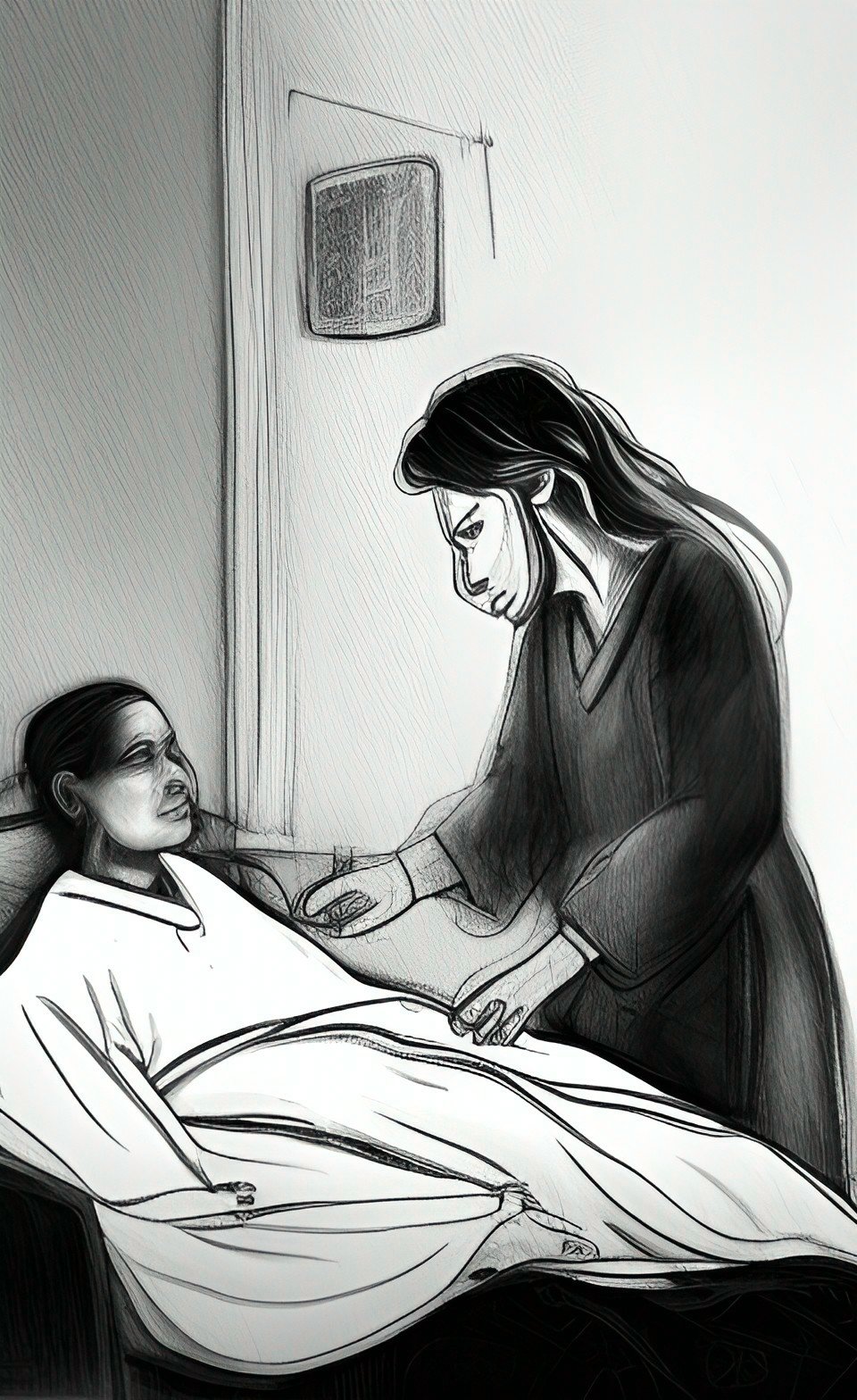
Sometimes an injury is too severe to be healed, and sometimes a disease is too advanced to be cured. For instance, a Warrior could be impaled on a lance and continues to bleed out and there is no Priest or healer available. An explorer could accidentally acquire 500 REM while digging around a ruin. A local shopkeeper could have contracted a painful and incurable wasting disease. A landslide may have landed a huge boulder onto a hapless traveler, crushing his torso. In all of these examples, the Necromancer has the power to ease the final suffering and allow death to come without pain or terror.
The power of Painless Death is such that the recipient stops feeling pain from the illness, disease, or injury that will ultimately cause his/her death. The recipient can still feel the gentle touch of a loved one, and still has a sensation of warm and cold. But pain is banished. Moreover, Painless Death grants an easy, somewhat listless, sleepy state of mind to the recipient so that he/she is not consumed with terror at the thought of the cessation of life. Instead, the recipient simply grows sleepier and then drifts into unconsciousness, never to awaken.
For long-term painful fatal conditions, the spell can be repeated. It will not work on someone free of significant injury or disease.
Changes from the printed (book) version: This is a new spell.
 Repair Topical Injuries
Tier: 1
Casting Time: 1 round
Area of Effect: 1 target (can be the Necromancer)
Range: Touch
Duration: Instantaneous
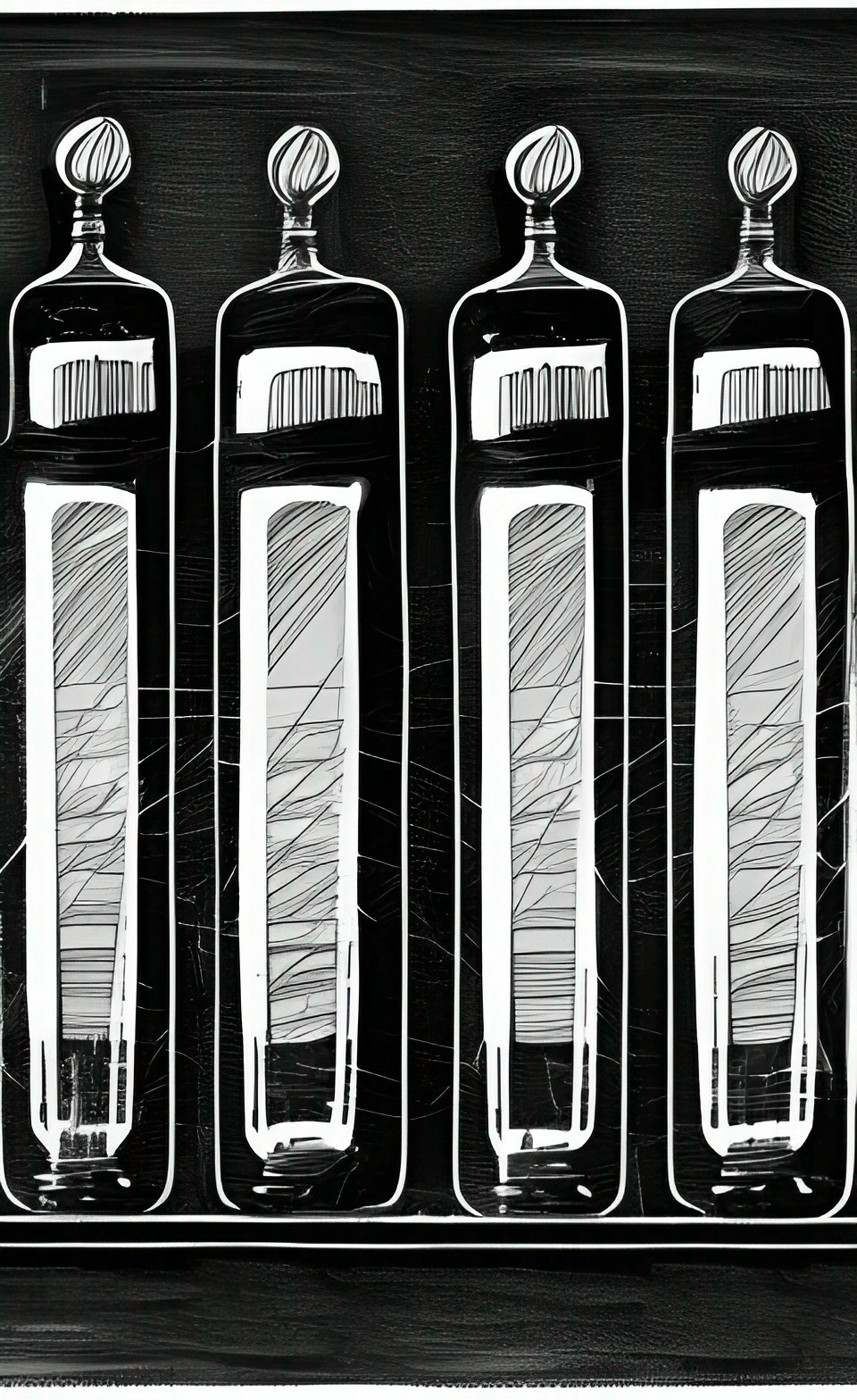
Arcane Focus: Vial of blood platelets
B-M-S Cost: 1.0 per 4 hit points healed
Classification: Healing
The Arcane Focus for this spell is a vial (at least one ounce) of blood platelets distilled from the blood of the dead. When this spell is invoked, the Necromancer can sacrifice points of Body-Mind-Spirit for hit points of healing at a ratio of 1:4. Thus, a Necromancer could heal 40 hit points in himself or another person by sacrificing 10 points of BMS.
Changes from the printed (book) version: None.
 Shroud of Darkness
Tier: 1
Casting Time: 7 segments
Area of Effect: 150'-diameter spherical volume
Range: 200' line of sight
Duration: 1 round per level
Arcane Focus: A shred of a burial shroud or a swatch of cloth stolen from the dead
B-M-S Cost: 0.5
Classification: Light and Dark
The Arcane Focus for this spell is a strip of fabric taken from a burial shroud or a swatch of fabric stolen from the clothing off an exhumed corpse. The cloth can be reused any number of times so long as it is not destroyed or lost.
This power allows the Necromancer to create a sphere of darkness as lightless as the grave. The power is sufficient to overwhelm ordinary light sources such as torches, lightsticks, and sodium vapor lights. Magical light sources are reduced to dim embers that are more luminous than illuminating. Protectors are immune to the effects of Shroud of Darkness.
The spell suppresses electromagnetic radiation in the visible and ultraviolet spectra only. A Dwarf may be able to navigate on infrared alone. Many Constructs also have augmented senses.
Changes from the printed (book) version: This spell now lasts rounds per level.
 Soul Candle
Tier: 1
Casting Time: 1 round
Area of Effect: 200' spherical volume
Range: Touch (lighting the candle)
Duration: 1 turn per level
Arcane Focus: A candle made from tallow rendered from the dead
B-M-S Cost: 0.75
Classification: Light and Dark
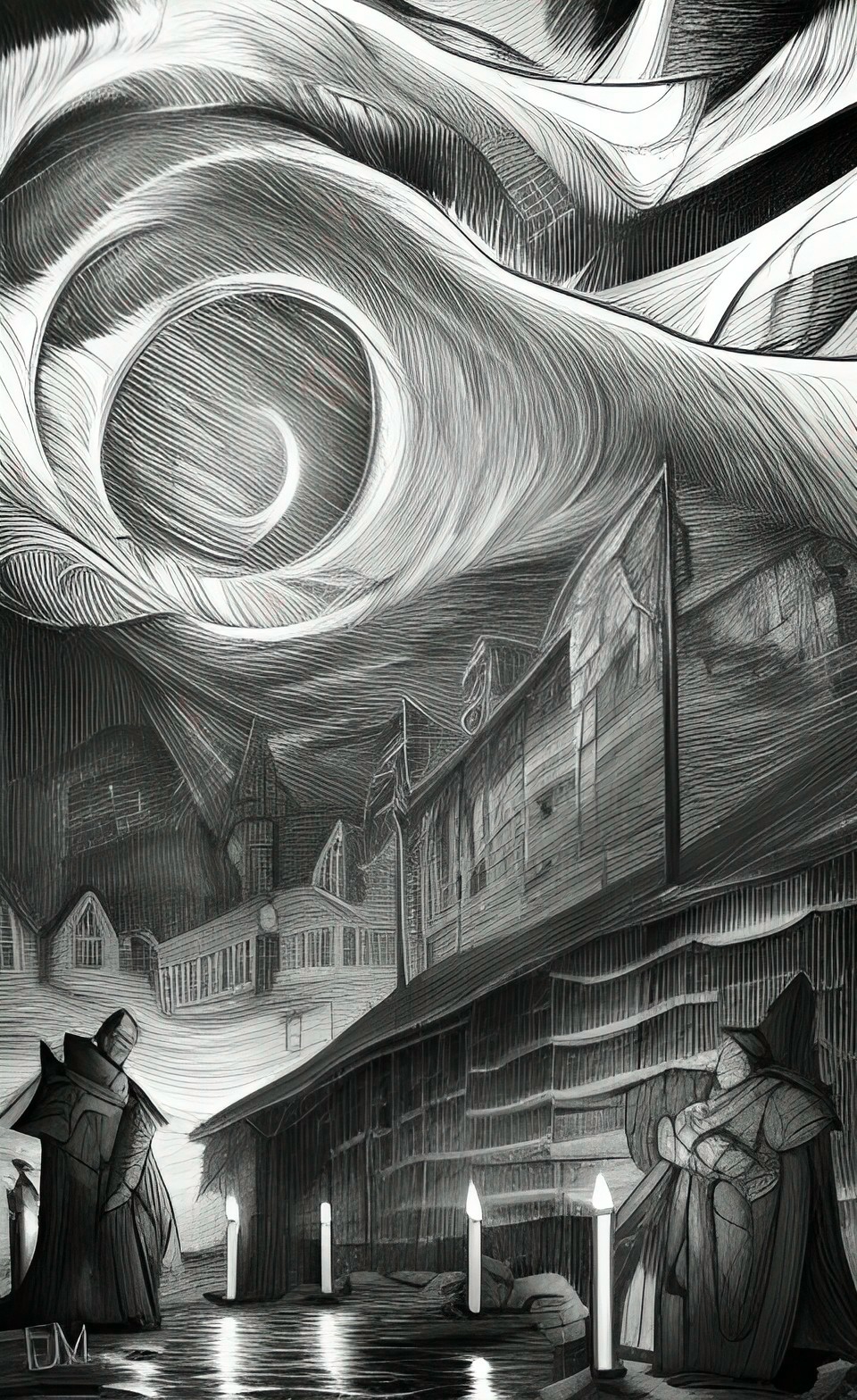
The Arcane Focus for this spell is a candle fashioned from fatty tissue scavenged from a cadaver. Unlike in other spells, the Soul Candle is actually consumed throughout the duration of the spell.
When the Soul Candle is lit, the Necromancer is able to detect and illuminate any Undead creature in a 200-foot range. While illuminated, allies of the Necromancer attempting to target an Undead creature gain a +1 bonus to hit. Moreover, invisible Undead are revealed as flickering outlines (-4 to hit instead of being nearly impossible to hit).
Additionally, the Soul Candle also provides conventional illumination equal to sodium vapor light (30' radius illumination). The Candle cannot be extinguished by water or wind.
Changes from the printed (book) version: The spell now also offers conventional illumination in addition to revealing Undead creatures.

Things to Consider
|